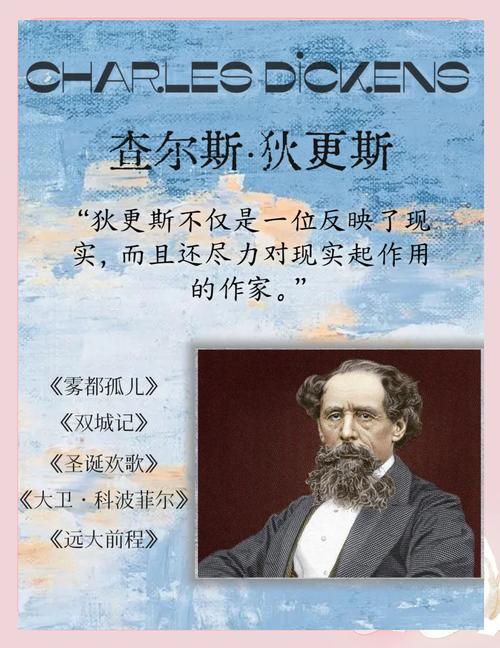
Charles Dickens, one of the most celebrated literary figures of the 19th century, left an indelible mark on English literature with his vivid characters, intricate plots, and profound social commentary. His works, such as Great Expectations, Oliver Twist, and A Tale of Two Cities, continue to resonate with readers worldwide, not only for their storytelling but also for the timeless wisdom embedded in his prose. Among his many contributions, Dickens’ quotes in English stand out as pearls of insight, offering reflections on human nature, society, morality, and resilience. These quotes, often drawn from his novels and personal writings, have transcended their original contexts to become enduring aphorisms that remain relevant in contemporary discourse.
Dickens’ quotes are characterized by their keen observation of human behavior and their ability to distill complex emotions into succinct, powerful statements. For instance, in A Tale of Two Cities, he opens with the iconic line: “It was the best of times, it was the worst of times, it was the age of wisdom, it was the age of foolishness…” This juxtaposition captures the duality of human experience—a theme that permeates much of his work. The quote not only reflects the turbulent political and social climate of the French Revolution but also speaks to the universal truth that joy and suffering, progress and decay, often coexist. Similarly, in Great Expectations, the character of Pip muses, “Suffering has been stronger than all other teaching…” Here, Dickens underscores the transformative power of adversity, suggesting that hardship can impart lessons that comfort and privilege cannot.
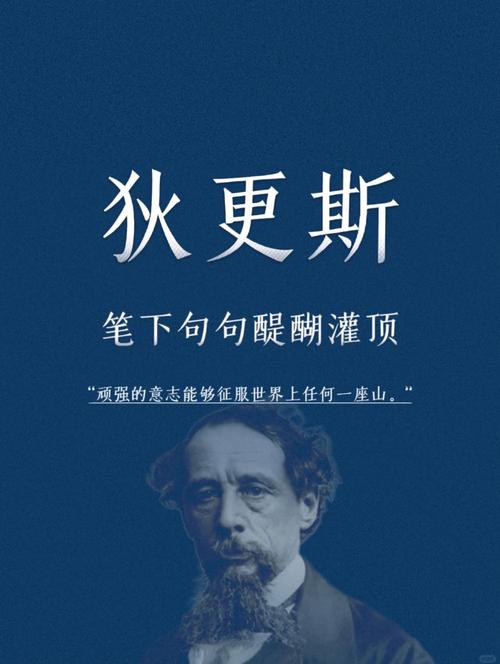
Another hallmark of Dickens’ quotes is their critique of societal inequalities. A staunch advocate for the poor and marginalized, Dickens often used his writing to shine a light on the injustices of Victorian England. In Oliver Twist, the infamous line “Please, sir, I want some more” uttered by the young orphan Oliver, has become a symbol of the struggle against systemic neglect and exploitation. This simple yet profound statement encapsulates the desperation of the underprivileged and the moral failure of a society that denies basic sustenance to its most vulnerable members. Similarly, in Hard Times, Dickens critiques the dehumanizing effects of industrialization through the character of Thomas Gradgrind, who declares, “Fact, fact, fact!” The repetition of this word highlights the obsession with cold, hard data at the expense of empathy and imagination, a warning that remains pertinent in an increasingly data-driven world.
Beyond social commentary, Dickens’ quotes also explore the intricacies of human relationships and personal growth. In David Copperfield, the protagonist reflects, “I have been bent and broken, but—I hope—into a better shape.” This sentiment captures the resilience of the human spirit, suggesting that even in the face of profound adversity, there is potential for renewal and self-improvement. Similarly, in A Christmas Carol, the reformed Scrooge exclaims, “I will honor Christmas in my heart, and try to keep it all the year.” This line speaks to the importance of compassion and generosity, not just during the holiday season but as a lifelong commitment. Dickens’ ability to infuse his quotes with such emotional depth is a testament to his understanding of the human condition.
The enduring appeal of Dickens’ quotes lies in their versatility and timelessness. They can be applied to a wide range of situations, from personal struggles to global challenges. For example, the line “No one is useless in this world who lightens the burden of another” from The Old Curiosity Shop serves as a reminder of the impact of small acts of kindness. In a world often preoccupied with individual achievement, this quote encourages readers to recognize the value of empathy and community. Similarly, “Reflect upon your present blessings, of which every man has many, not on your past misfortunes, of which all men have some” offers a timeless lesson in gratitude, urging individuals to focus on the positive aspects of their lives rather than dwelling on past hardships.
To better illustrate the breadth and depth of Dickens’ quotes, the following table categorizes some of his most famous sayings by theme, along with their original works and contextual significance:
| Theme | Quote | Original Work | Contextual Significance |
|---|---|---|---|
| Duality of Life | “It was the best of times, it was the worst of times…” | A Tale of Two Cities | Reflects the contradictions of the French Revolution and the human experience. |
| Resilience | “Suffering has been stronger than all other teaching…” | Great Expectations | Emphasizes the transformative power of adversity in personal growth. |
| Social Injustice | “Please, sir, I want some more” | Oliver Twist | Symbolizes the struggle against poverty and systemic neglect. |
| Critique of Industrialization | “Fact, fact, fact!” | Hard Times | Satirizes the dehumanizing focus on data over empathy and imagination. |
| Personal Growth | “I have been bent and broken, but—I hope—into a better shape.” | David Copperfield | Highlights the potential for renewal and self-improvement after hardship. |
| Compassion | “I will honor Christmas in my heart, and try to keep it all the year.” | A Christmas Carol | Advocates for lifelong compassion and generosity beyond the holiday season. |
| Kindness | “No one is useless in this world who lightens the burden of another.” | The Old Curiosity Shop | Celebrates the value of small acts of kindness and community. |
| Gratitude | “Reflect upon your present blessings… not on your past misfortunes…” | Martin Chuzzlewit | Encourages gratitude and a focus on the positive aspects of life. |
In conclusion, Dickens’ quotes in English are more than just memorable lines from his novels; they are profound insights into the human experience. Whether addressing societal inequalities, personal resilience, or the importance of compassion, his words continue to inspire and challenge readers. Their enduring relevance is a testament to Dickens’ genius as both a storyteller and a philosopher. As we navigate the complexities of the modern world, his quotes serve as a guiding light, reminding us of the timeless values of empathy, resilience, and hope.
FAQs
-
What makes Dickens’ quotes so timeless?
Dickens’ quotes are timeless because they explore universal themes such as human nature, social justice, and personal growth, which remain relevant across generations. His ability to distill complex emotions and societal issues into succinct, powerful statements ensures that his words resonate with readers regardless of the era. Additionally, his keen observation of human behavior and his empathetic portrayal of characters give his quotes a depth that transcends their original contexts. -
How can Dickens’ quotes be applied to modern life?
Dickens’ quotes can be applied to modern life in numerous ways. For example, his emphasis on compassion and kindness, as seen in “No one is useless in this world who lightens the burden of another,” encourages individuals to contribute positively to their communities. His critique of societal inequalities, such as in “Please, sir, I want some more,” reminds us to advocate for fairness and justice. Similarly, his focus on resilience and gratitude, as in “Reflect upon your present blessings,” offers guidance for maintaining a positive outlook in today’s fast-paced and often stressful world. (图片来源网络,侵删)