Spring is a season that has inspired countless poets throughout history. Its arrival brings renewal, warmth, and vibrant life, making it a perfect subject for poetry. Below is a detailed exploration of spring-themed poetry, including its themes, notable examples, and a comparison of poetic styles across cultures. The response concludes with a FAQs section addressing common questions about spring poetry.
Themes in Spring Poetry
Spring poetry often revolves around universal themes such as:
- Rebirth and Renewal: The thawing of winter symbolizes new beginnings.
- Nature’s Beauty: Blossoming flowers, singing birds, and flowing rivers are common motifs.
- Transience: The fleeting nature of spring mirrors human experiences of impermanence.
- Hope and Joy: The season’s energy inspires optimism.
Notable Spring Poems Across Cultures
The table below compares famous spring poems from different traditions:
| Poem | Poet | Culture | Key Imagery | Theme |
|---|---|---|---|---|
| Lines Written in Early Spring | William Wordsworth | English | "Green to the very door" | Nature’s harmony |
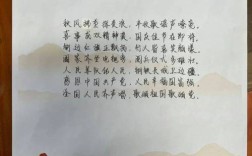
| Spring View | Du Fu | Chinese | "The country is broken, though mountains remain" | War and resilience |
| Spring, the Sweet Spring | Thomas Nashe | English | "Blooms each thing" | Celebration of life |
| Under the Cherry Blossoms | Matsuo Bashō | Japanese | "Cherry blossoms fall" | Impermanence (mono no aware) |
Poetic Techniques in Spring Poetry
- Imagery: Vivid descriptions like "daffodils dancing" (Wordsworth) or "apricot blossoms" (Du Fu).
- Personification: Nature is often given human traits (e.g., "the sun smiles").
- Symbolism: Spring represents youth, love, or political renewal.
- Rhythm and Rhyme: Lighthearted poems use playful meters, while reflective ones adopt slower paces.
FAQs About Spring Poetry
Q1: Why is spring a popular theme in poetry?
A1: Spring embodies universal themes of renewal and beauty, making it relatable across cultures. Its sensory richness—colors, sounds, and scents—provides ample material for poetic expression.
Q2: How does spring poetry differ between Eastern and Western traditions?
A2: Western poems often celebrate spring’s joy (e.g., Wordsworth), while Eastern works like Bashō’s haiku emphasize transience. Chinese poetry, such as Du Fu’s, may intertwine spring with social commentary.
This exploration highlights how spring poetry transcends borders, uniting humanity in its appreciation of nature’s cycles. Whether through joy or melancholy, these poems capture the essence of the season’s transformative power.