Teachers, the unsung heroes of civilization, have been immortalized in literature, art, and poetry across cultures. English poetry, in particular, offers a rich tapestry of verses that celebrate the profound impact of educators on shaping minds, nurturing souls, and illuminating the path of knowledge. From classical sonnets to contemporary free verse, these poems capture the essence of teaching—its challenges, rewards, and enduring legacy. Below is an exploration of notable English poems that glorify teachers, their themes, and the emotions they evoke, followed by a table summarizing key works and a FAQs section.
English poetry often portrays teachers as beacons of light, guiding students through the darkness of ignorance. In William Wordsworth’s "The Old Cumberland Beggar," the poet indirectly praises the compassionate educator by highlighting the transformative power of kindness and wisdom. While not explicitly about teachers, the poem’s emphasis on nurturing humanity resonates with the ethos of teaching. Similarly, Henry Wadsworth Longfellow’s "A Psalm of Life" encourages perseverance and purpose, qualities that teachers instill in their pupils. The lines, "Lives of great men all remind us / We can make our lives sublime," reflect the aspirational role of educators in inspiring greatness.

One of the most direct tributes to teachers is "The Teacher" by Grace Noll Crowell, a heartfelt poem that likens educators to gardeners tending young minds. Crowell writes, "You are the gardener, and we are the seeds / You plant the knowledge, and nurture our needs," using simple yet powerful metaphors to depict the nurturing aspect of teaching. Similarly, "To a Kind Teacher" by Christina Georgina Rossetti expresses gratitude for a mentor’s patience and wisdom, with lines like "You taught me how to read the sky, / And how to listen when the wind went by," emphasizing the holistic development fostered by dedicated teachers.
Modern poetry continues this tradition, often focusing on the emotional labor and resilience of teachers. In "The Lesson" by Rita Dove, the poet reflects on the unspoken sacrifices of educators, capturing the quiet moments of dedication that go unnoticed. Meanwhile, "Ode to a Teacher" by Jorge Luis Borges, though originally in Spanish, has been translated into English and celebrates the immortality of knowledge imparted by teachers: "I have tried to teach you something, / Something that no one can take away from you." The poem underscores the timeless nature of education, where teachers leave an indelible mark on future generations.
The themes in these poems are as diverse as the teachers they honor. Many focus on transformation, comparing the educator to a sculptor shaping raw clay or a blacksmith forging steel. For example, in "The Teacher’s Prayer" by Bettyann Holtzer Smith, the speaker asks for strength to "mold young lives with care," highlighting the responsibility and artistry involved in teaching. Others emphasize the emotional connection between teachers and students, as in "Thank You, Teacher" by Joanna Fuchs, which reads, "You gave me wings to fly / And reach for the sky," celebrating the empowerment that comes from mentorship.
To better understand the scope of these poems, the table below categorizes notable works by their central themes, poetic devices, and emotional tones.
| Poem Title | Poet | Central Theme | Poetic Devices | Emotional Tone |
|---|---|---|---|---|
| "A Psalm of Life" | Henry Wadsworth Longfellow | Perseverance and purpose | Metaphor, rhyme | Inspirational, uplifting |
| "The Teacher" | Grace Noll Crowell | Nurturing and growth | Metaphor (gardener), simile | Grateful, tender |
| "To a Kind Teacher" | Christina Georgina Rossetti | Wisdom and patience | Imagery, personification | Reverent, affectionate |
| "The Lesson" | Rita Dove | Sacrifice and dedication | Symbolism, free verse | Reflective, poignant |
| "Ode to a Teacher" | Jorge Luis Borges | Immortality of knowledge | Metaphor, classical allusions | Awe, timeless |
Beyond individual poems, the act of teaching itself has been elevated to a sacred calling in English literature. In "The Schoolmaster" by Richard Lovelace, the teacher is depicted as a "priest of knowledge," whose role is to enlighten and elevate society. This reverence for education is also evident in "Education" by William Butler Yeats, where the poet writes, "Education is not the filling of a pail, but the lighting of a fire," a metaphor that has become synonymous with transformative teaching. These lines capture the essence of what makes teaching a noble profession—it is not merely the transfer of information but the ignition of curiosity and passion for learning.
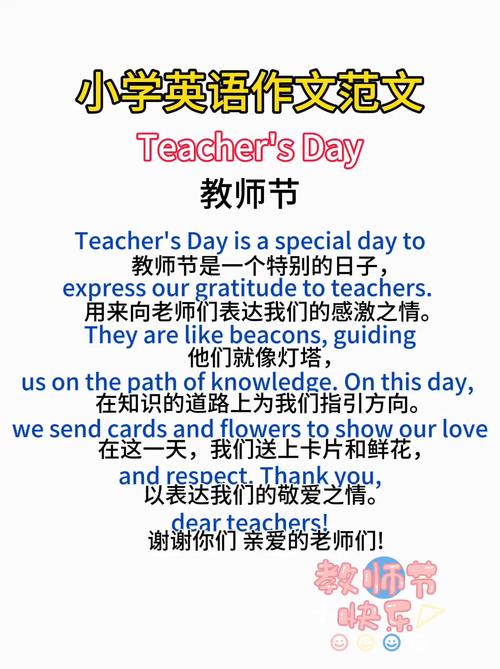
The emotional resonance of these poems lies in their ability to distill complex relationships into vivid imagery. For instance, in "Teacher’s Day" by Annette Wynne, the teacher is compared to a "lighthouse," guiding students through stormy seas of confusion. Similarly, "The Bridge Builder" by Will Allen Dromgoole uses the metaphor of a bridge to symbolize the teacher’s role in connecting generations: "The builder’s name was old Age / And the bridge he built was Life." These metaphors not only honor teachers but also invite readers to reflect on the interconnectedness of knowledge and human experience.
In conclusion, English poetry offers a profound and multifaceted tribute to teachers, celebrating their role as mentors, guides, and inspirations. From the classical elegance of Longfellow to the modern introspection of Dove, these poems remind us of the quiet yet transformative power of education. They honor the patience, wisdom, and dedication that define great teachers, ensuring their legacy lives on in verse and in the minds of those they have touched.
FAQs

-
What are some common metaphors used in English poetry to describe teachers?
Teachers are often compared to gardeners, sculptors, lighthouses, and builders in English poetry. For example, Grace Noll Crowell’s "The Teacher" uses the metaphor of a gardener nurturing seeds, while Rita Dove’s "The Lesson" evokes the image of a sculptor shaping raw material. These metaphors highlight the nurturing, transformative, and guiding roles of teachers in students’ lives. -
How do modern English poems differ from classical ones in their portrayal of teachers?
Classical poems, such as Longfellow’s "A Psalm of Life," tend to focus on inspirational and universal themes like perseverance and purpose, often using formal structures like rhyme and meter. Modern poems, like Rita Dove’s "The Lesson," are more introspective and personal, exploring the emotional labor and challenges of teaching through free verse and symbolism. While classical poems celebrate the idealized role of teachers, modern ones often delve into the complexities and sacrifices inherent in the profession.